
19 Jun 2026
World Sickle Cell Day in SW London
Celebrating community, lived experience and progress in sickle cell care.
We joined St George’s Hospital to mark World Sickle Cell Day with a celebration filled with music, creativity, connection and thoughtful conversation.
The event brought people together to learn, share experiences and recognise the strength, knowledge and contribution of the sickle cell community. Attendees heard about practical support available today, alongside research working towards fairer health outcomes for future generations.
One of the day’s talks introduced the Sickle Cell Society’s Peer Mentoring Programme.
The programme connects young people aged 10 to 24 who live with sickle cell with trained peer mentors who also have the condition. Through one-to-one support, young people can talk openly with someone who understands their experiences, build confidence and develop skills to manage challenges in their health, education and everyday lives.
Attendees also heard about the Improving Black Health Outcomes BioResource, known as the IBHO BioResource.
This national research programme is working to address the underrepresentation of Black communities in health and genetic research. By developing a more representative research resource, the programme aims to improve understanding of health conditions, support more relevant research and contribute to fairer healthcare in the future.
The programme welcomes people aged 16 and over from Black ethnic backgrounds, whether or not they have a health condition. People with a confirmed diagnosis of sickle cell or thalassaemia can also join, regardless of their ethnic background. Children aged 15 and under with a confirmed sickle cell diagnosis may also be eligible.
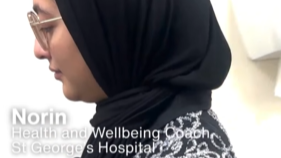
Norin, who is part of our Social Prescribing team delivers Health & Wellbeing coaching to St George’s patients living with sickle cell, providing specialist health coaching and support to help people manage pain and its effect on their lives.
The hospital’s Red Cell Pain Management and Psychology Service includes a specialist pain clinic, psychological support and a group programme where people living with sickle cell can learn from one another in a supportive environment.
Find out more about sickle cell support at St George’s Hospital
Sickle cell disease is a lifelong inherited condition that affects red blood cells. It can cause severe episodes of pain, anaemia, an increased risk of serious infections and other health complications. Around 17,000 people are living with sickle cell disease in England, with approximately 250 new cases each year.
Screening is offered to all pregnant women in England, and all babies are offered screening through the newborn blood spot test. Treatment and ongoing specialist care can help people manage symptoms and reduce the risk of complications.
There has also been progress in expanding treatment options. In 2025, NICE recommended the gene-editing treatment exagamglogene autotemcel through a managed-access programme for a defined group of people aged 12 and over with severe sickle cell disease. NHS investment is also expanding access to automated red cell exchange treatment and the specialist workforce needed to deliver it.
Events like this provide an important opportunity to raise awareness, strengthen connections and ensure that people living with sickle cell help shape the services and research that affect them.
Attendees left feeling informed, inspired and proud of the strength of the sickle cell community.
Get involved:
Join the Sickle Cell Society’s Peer Mentoring Programme